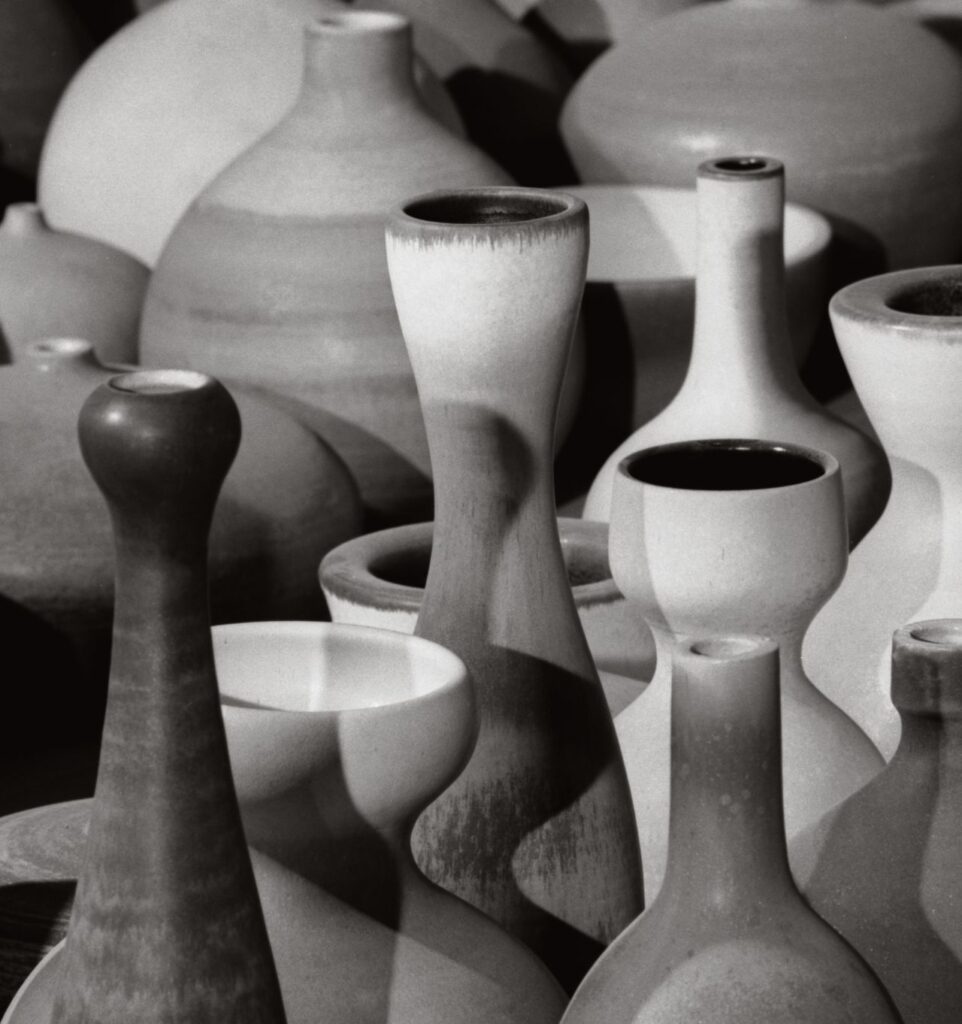
Antoni Cumella should be considered one of the great masters of modern European ceramics. Born in Granollers in 1913, around the mid-20th century he developed his own language based on the expressiveness of forms emerging from the wheel, the volumes, and the glazes, which allowed him to build a solid career recognized internationally.
Thus, following his participation in the 9th Milan Triennale in 1951, where he was awarded the Gold Medal, Cumella began to gain recognition across Europe for stoneware pieces with glazes of great purity, balance, and formal beauty.
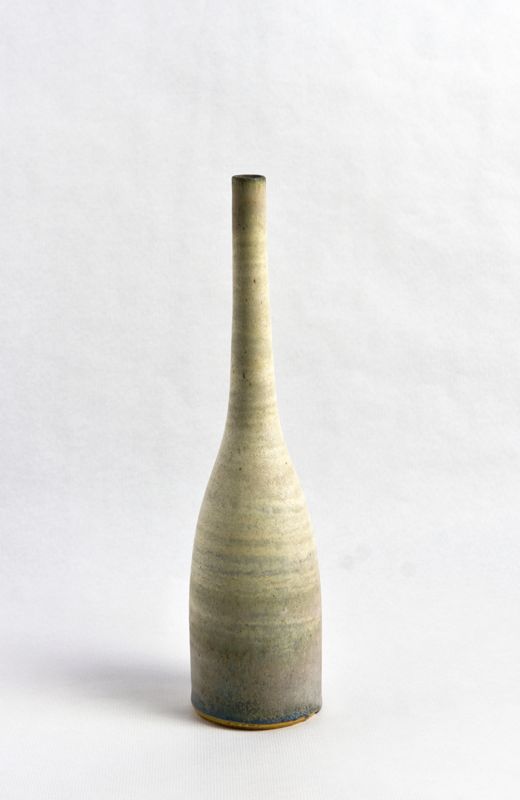
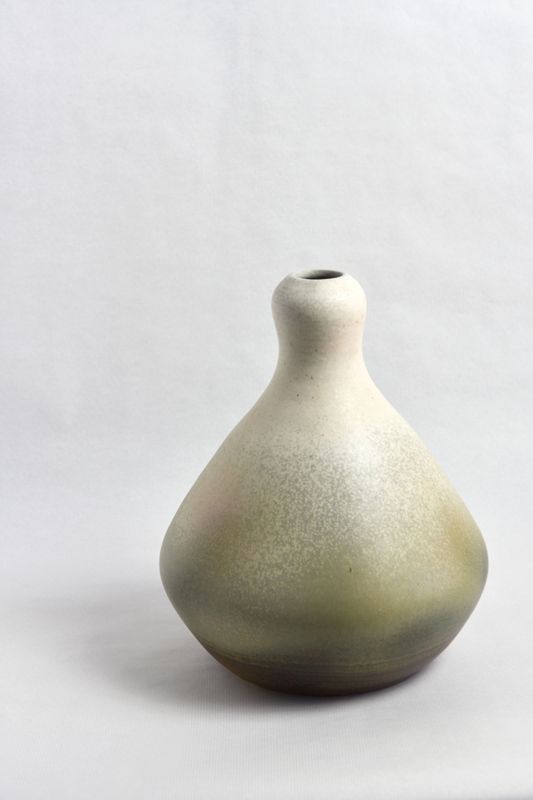
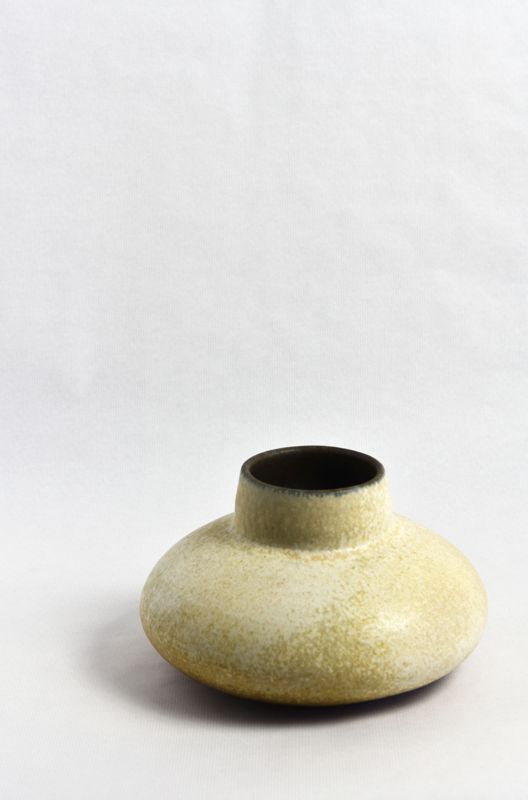
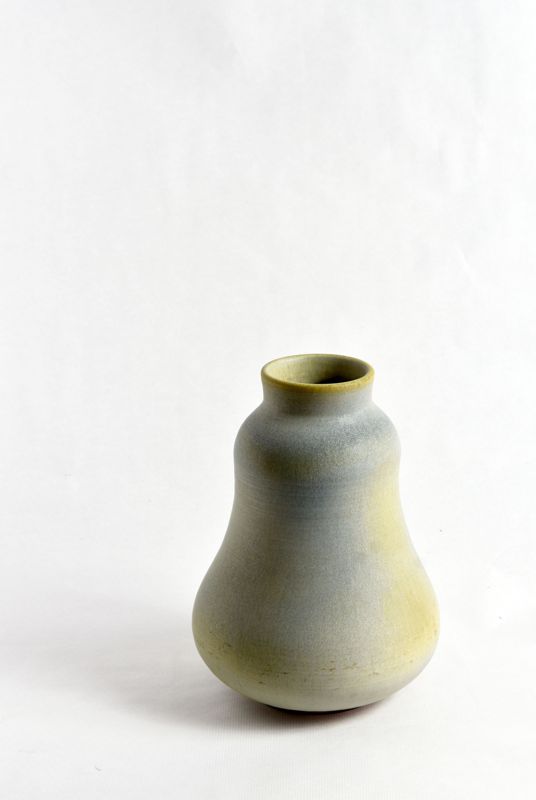
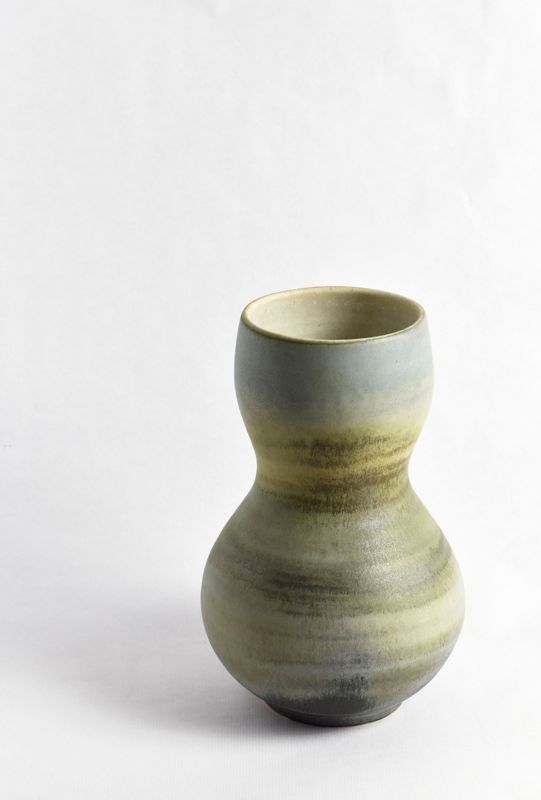
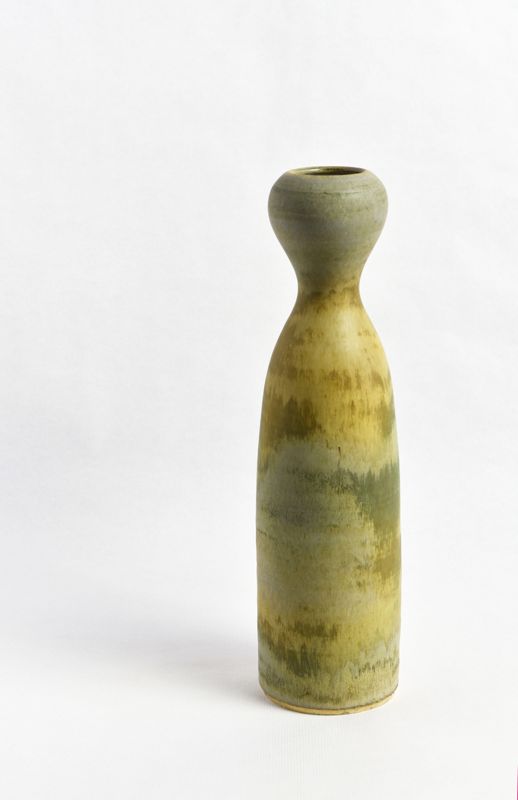
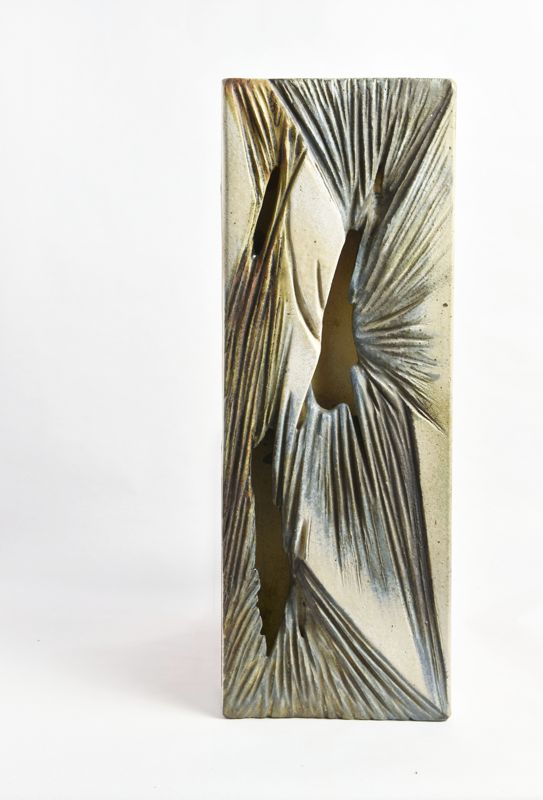
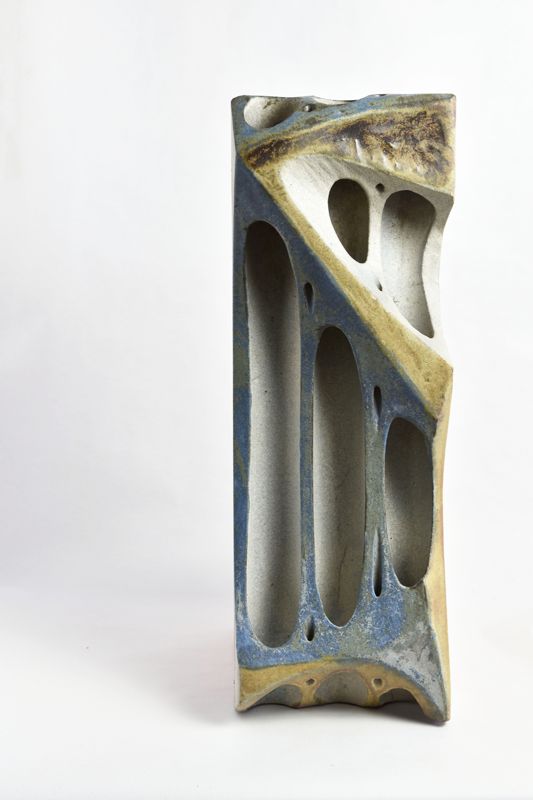
Antoni Cumella, however, did not limit himself to working on the wheel. He was also very close to the world of architecture. From the 1950s onward, he began working on projects involving murals, plaques, and ceramic sculptures, through which he created a new expressiveness of organic forms that, without imitating nature, reflected both Gaudí’s influence and the material-focused art of his time. Naturally, his friendship with Sartoris, Busquets, and the members of Grup R drew him into the field of architecture and made this other creative facet an integral part of a body of work that reminds us that ceramics, in the hands of a great artist, can become a poetic language capable of giving soul to matter and emotion to space.
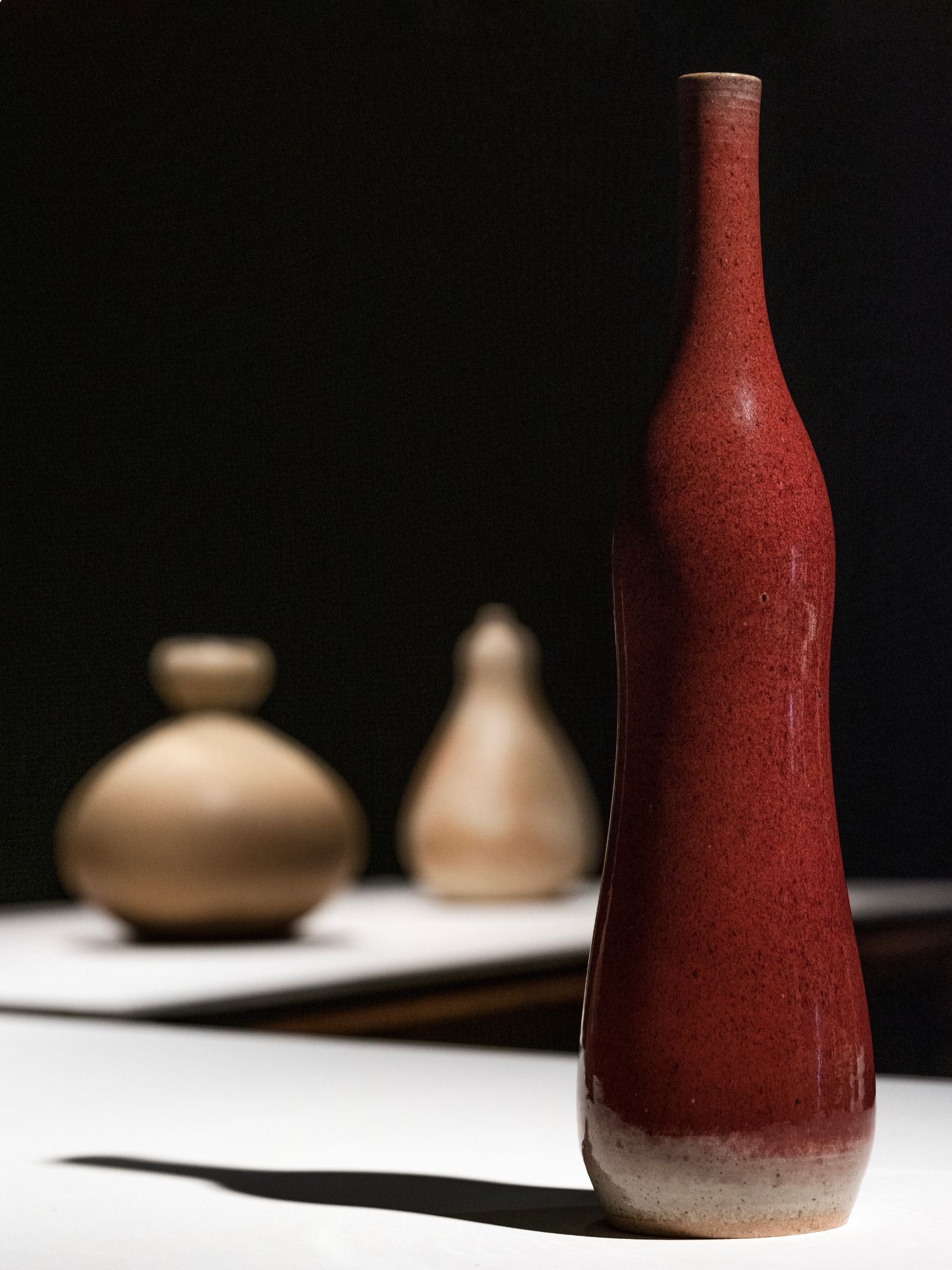
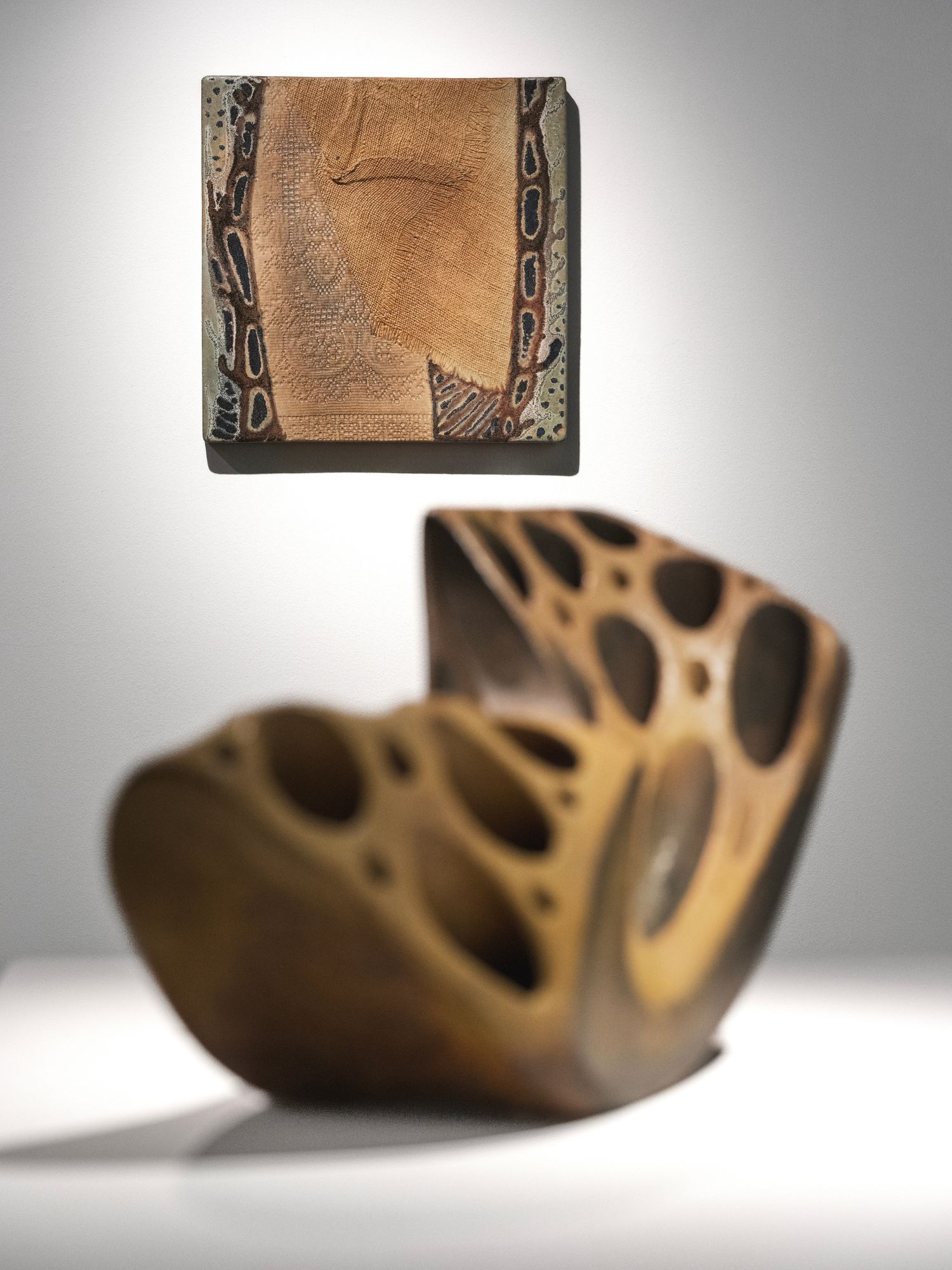
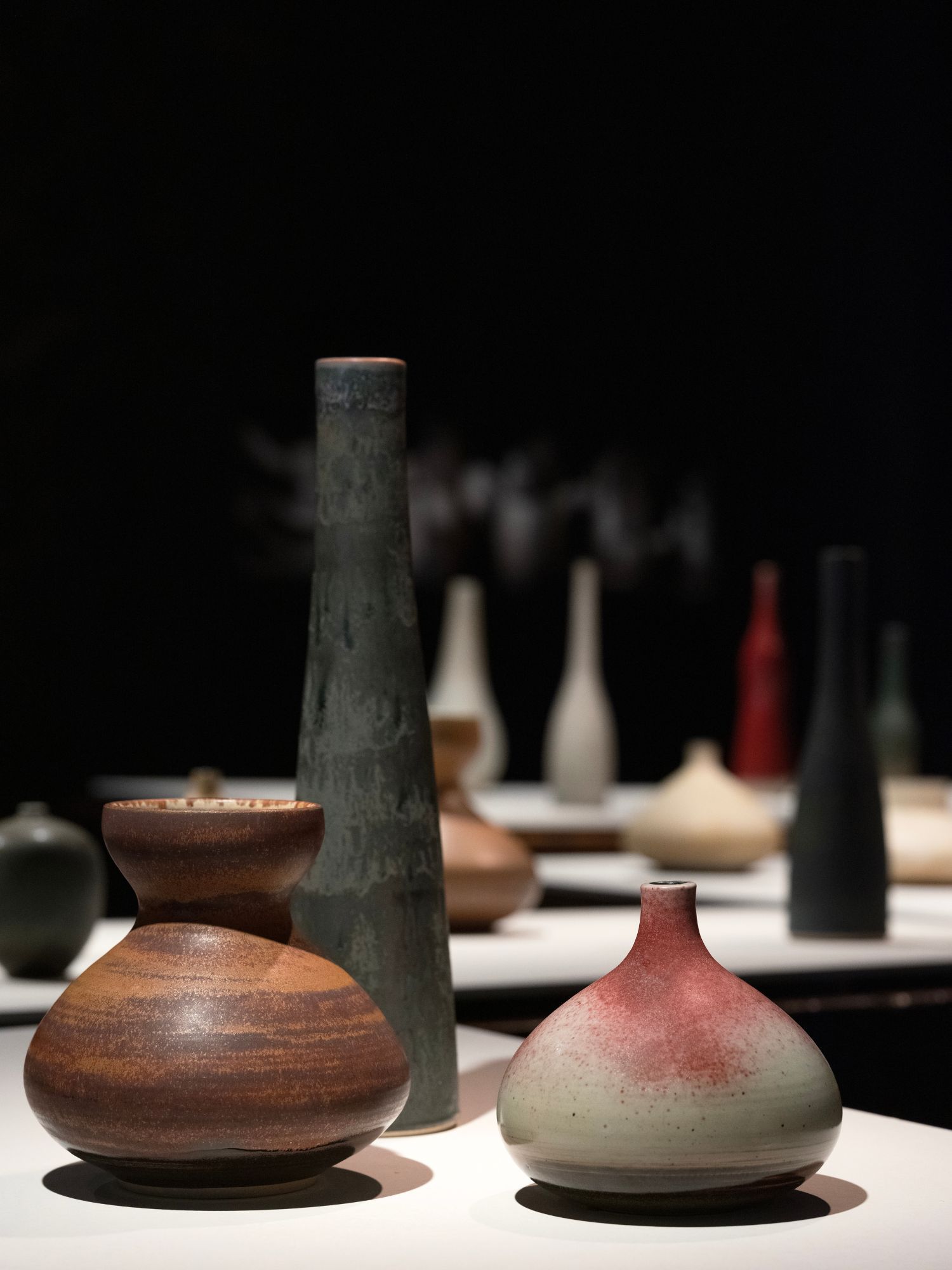
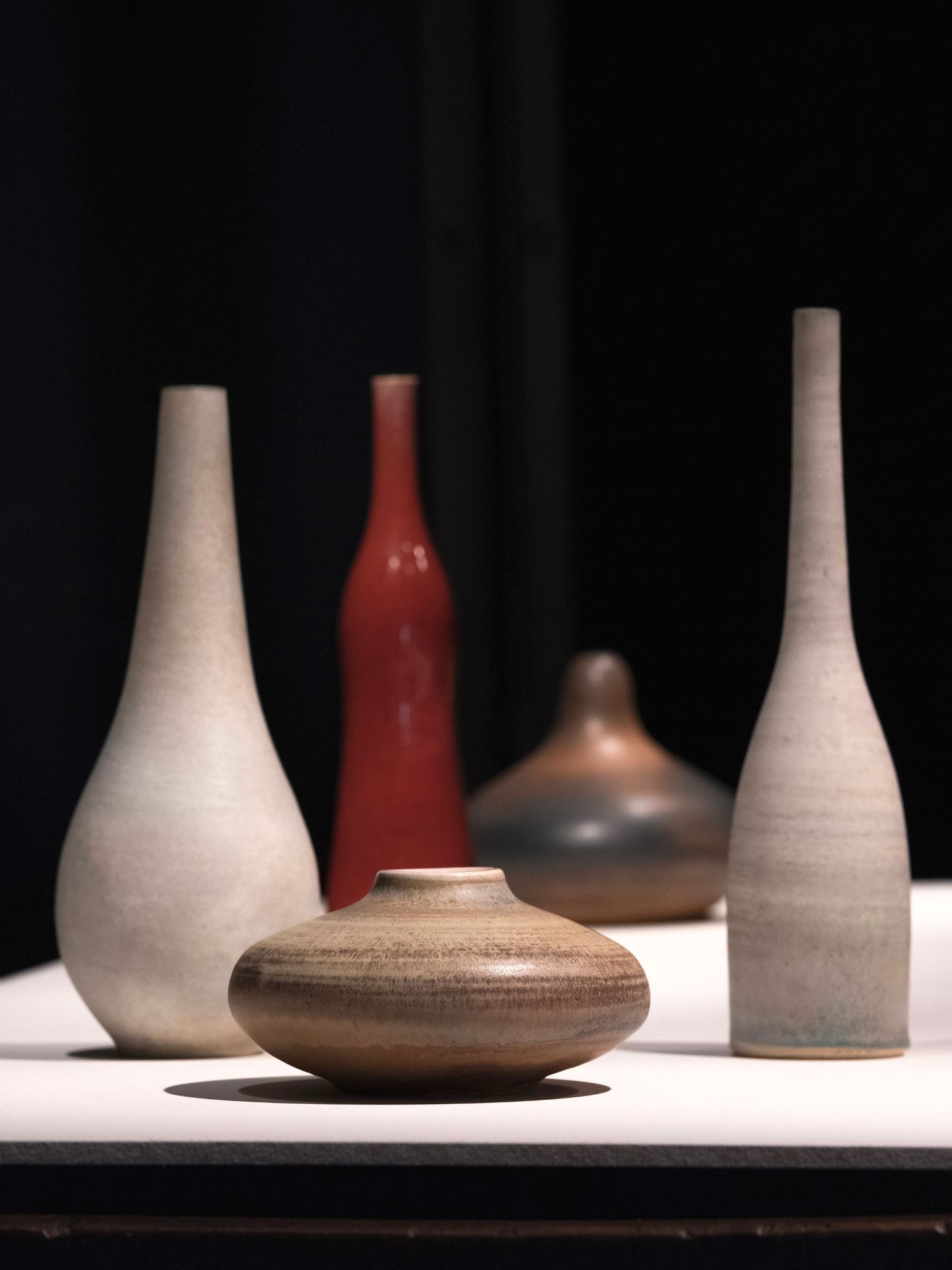
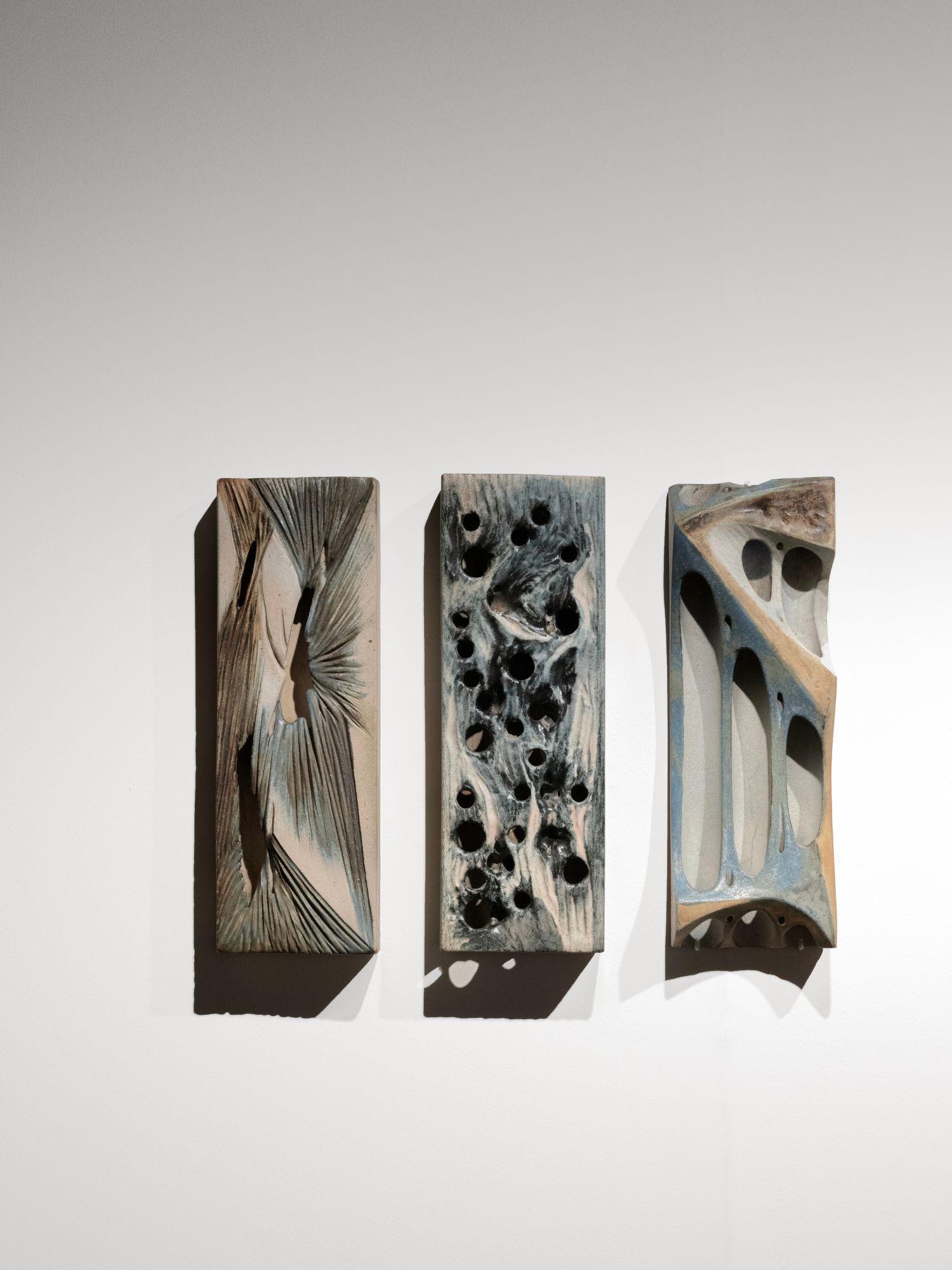
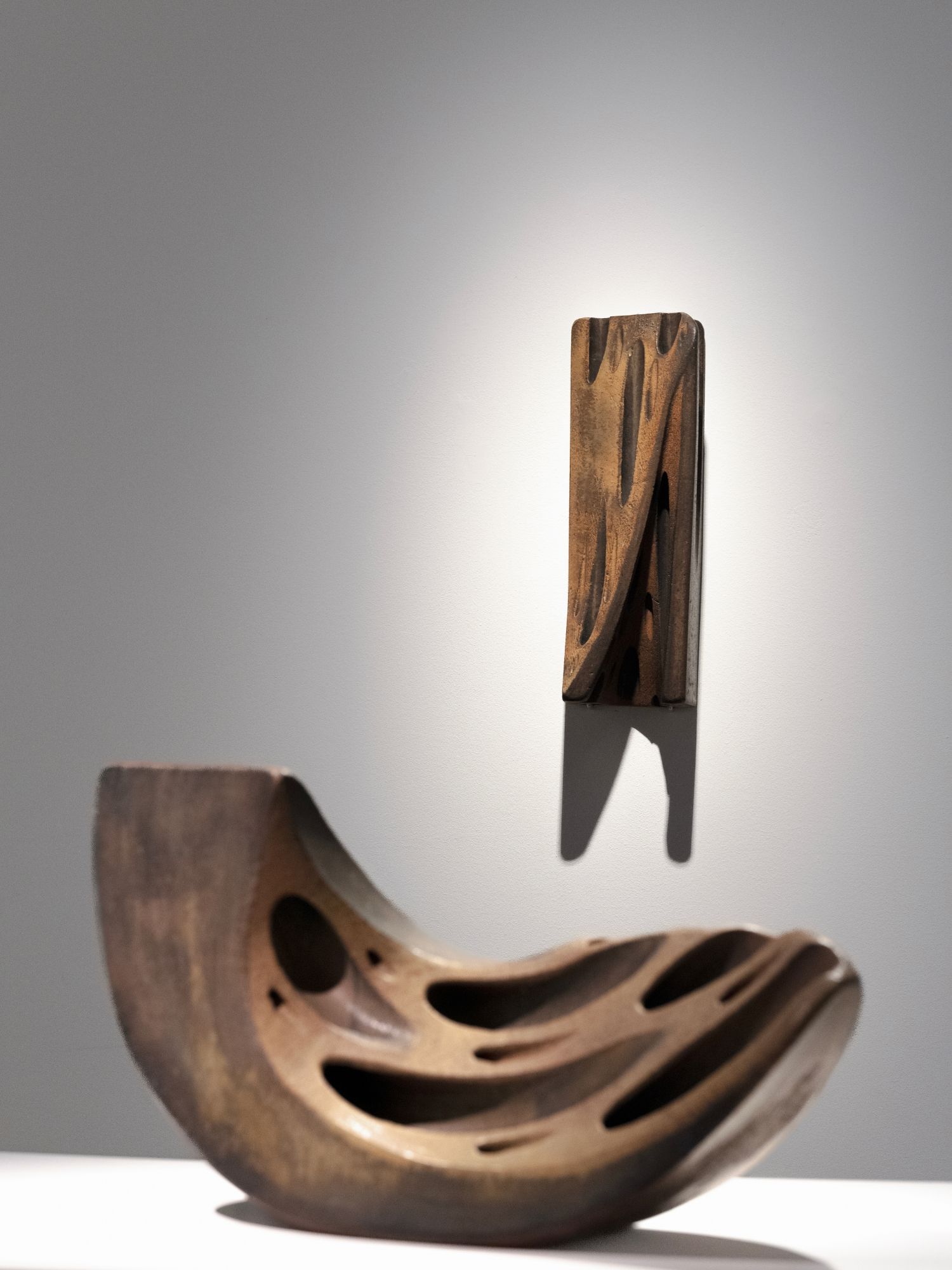
The vibrant, colorful forms of Antoni Cumella, emerging from the wheel and the kiln, as well as those open to full dialogue with architecture, anticipate contemporary ideas such as sustainability, the interdependence of materials, and the fusion of art, design, and environment.
At heart, Cumella was a sculptor of unknown forms that await the viewer to be completed—because art requires time, silence, and above all, attention.